


5 Key Benefits of Custom Foot Orthotics in 2026

July 24, 2026

Custom foot orthotics are medical-grade shoe inserts individually designed to match your foot’s unique structure and biomechanics. Unlike generic store-bought pads, they correct specific structural imbalances, provide targeted support, and alleviate chronic pain in the feet, ankles, knees, and lower back by realigning the entire lower kinetic chain.

What are the benefits of custom foot orthotics?

If you’ve ever walked into a pharmacy and stood on one of those vibrating machines that tells you which shoe insert to buy, you might think you’ve got it all figured out. However, the true benefits of custom orthotics go far beyond simple cushioning. These devices are precision-engineered tools designed to change how your foot interacts with the ground.

The primary benefit is the correction of biomechanical abnormalities. Many people suffer from overpronation (feet rolling inward) or oversupination (feet rolling outward). These small deviations can lead to significant pain over time. Custom orthotics act as a corrective lens for your feet, shifting your weight distribution so that your muscles and tendons don't have to overcompensate. This reduces fatigue and prevents the “achy feet” feeling at the end of a long day in Fredericksburg.

Furthermore, custom orthotics provide unmatched support for the arches. If you have high arches or flat feet, your body’s natural shock absorption is compromised. By filling the gaps between your foot and your shoe, these inserts distribute pressure evenly across the entire plantar surface. This is particularly beneficial for managing conditions like heel pain and plantar fasciitis , where the ligament along the bottom of the foot is under constant tension.

Beyond just the feet, the benefits extend to the knees, hips, and lower back. Because your feet are the foundation of your body, any misalignment at the ground level travels upward. By stabilizing the foot, custom orthotics can often resolve mystery back pain or knee strain that physical therapy alone hasn't been able to fix. They ensure that your joints remain in their optimal positions throughout the gait cycle.

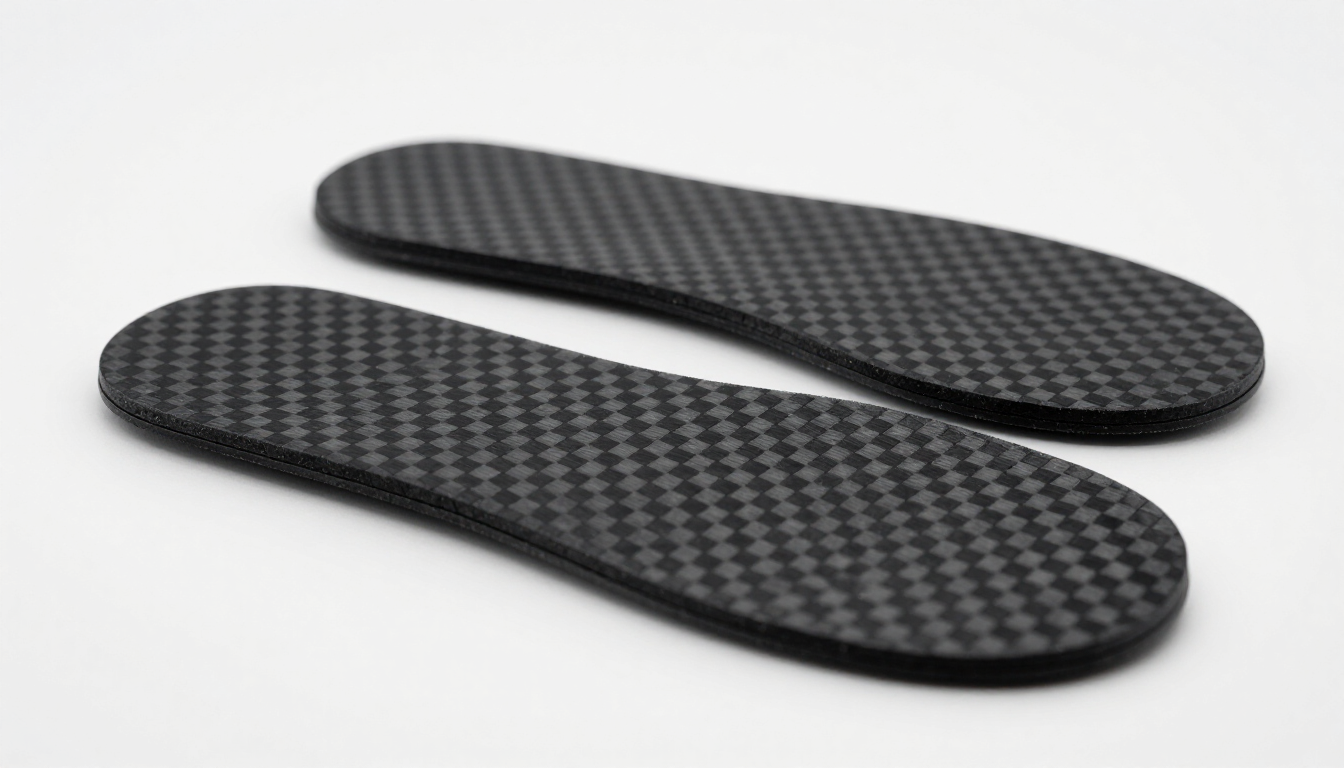
Custom Carbon Fiber Orthotics

Custom Foot Orthotics vs. Over-the-Counter Inserts

It is tempting to grab a pair of $20 gel inserts from the grocery store, but it is important to understand the fundamental differences between “retail” and “prescription.” Retail inserts are designed to fit a generic foot shape. They offer a one-size-fits-all approach to comfort, which might provide temporary relief for minor soreness but does nothing to treat the underlying cause of foot dysfunction.

In contrast, custom orthotics are prescribed by a podiatrist after a comprehensive clinical evaluation. At Fredericksburg Foot & Ankle Center, we use advanced technology to create a 3D model of your foot. This ensures the insert accommodates every contour, including bunions, hammertoes, or specific pressure points.

Key differences include:

  • Materials: Store-bought inserts use soft foam or gel that compresses and loses effectiveness within weeks, whereas custom versions use durable, medical-grade plastics or carbon fiber.
  • Precision: Custom orthotics are built from a mold or digital scan of your foot, not a generic template.
  • Condition Treatment: Only custom orthotics can be designed to offload specific ulcers for diabetic foot care or stabilize a collapsing arch.
  • Longevity: A quality pair of custom orthotics can last several years, while retail versions often need replacing every few months.
  • Biomechanical Control: Prescription devices can be designed with "posts" or wedges to actively change the way your foot moves.

How do custom orthotics help with plantar fasciitis?

Plantar fasciitis is one of the most common reasons patients visit our clinic. It involves inflammation of the thick band of tissue (the plantar fascia) that runs across the bottom of your foot and connects your heel bone to your toes. This tissue is designed to support the arch of your foot and absorb shock when you walk, but too much tension can cause small tears and stabbing pain.

Custom orthotics are the gold standard for treating this condition because they provide structural integrity that shoes alone cannot. By supporting the arch at the exact height needed, the orthotic reduces the amount of stretching the fascia has to do. This allows the inflammation to subside and the tissue to heal.

Additionally, we can add a "heel well" or extra cushioning to the orthotic to offload the painful spot on the heel. This targeted relief means you can go about your day in Fredericksburg without that dreaded first-step-out-of-bed pain. When combined with other treatments, orthotics often prevent the need for more invasive procedures like surgery or repeated injections.

Active Seniors Walking

Improving Athletic Performance and Preventing Injuries

For athletes, the feet are the most heavily taxed part of the body. Whether you are a runner, a tennis player, or a weekend hiker, the repetitive stress of impact can lead to sports and performance foot injuries . Custom orthotics are not just for people in pain; they are a powerful tool for injury prevention and performance optimization.

When your feet are properly aligned, your muscle efficiency increases. Your body doesn't have to work as hard to stabilize itself, meaning you have more energy for your sport. Orthotics also provide a more stable platform for explosive movements, such as sprinting or jumping. By ensuring that your weight is distributed correctly, you reduce the risk of stress fractures, shin splints, and Achilles tendonitis.

Common sports-related benefits include:

  • Enhanced Stability: Better balance during lateral movements in sports like basketball or tennis.
  • Shock Absorption: Reducing the impact on joints during high-mileage running.
  • Even Pressure Distribution: Preventing hot spots and blisters during long endurance events.
  • Faster Recovery: Less strain on muscles means you can get back to training sooner.
  • Increased Shoe Life: By correcting your gait, you stop wearing down the soles of your shoes unevenly.

Who should consider prescription orthotics?

While almost anyone can benefit from better foot support, certain individuals should consider custom orthotics a necessity rather than a luxury. This includes anyone with chronic foot, knee, or back pain that worsens with activity. If you notice that your shoes wear out much faster on one side than the other, that is a clear sign of a gait abnormality that needs correction.

Patients managing chronic diseases also benefit immensely. For those requiring diabetic foot care , custom orthotics are essential for preventing pressure sores and ulcers that can lead to serious complications. Older adults also benefit from the added stability, which can significantly reduce the risk of falls—a major health concern as we age.

Even children can benefit. If a child has severe flat feet or walks with an unusual gait, early intervention with orthotics can help the feet develop more normally and prevent skeletal issues later in life. If you are unsure if you need them, the best first step is to contact a professional for an evaluation.

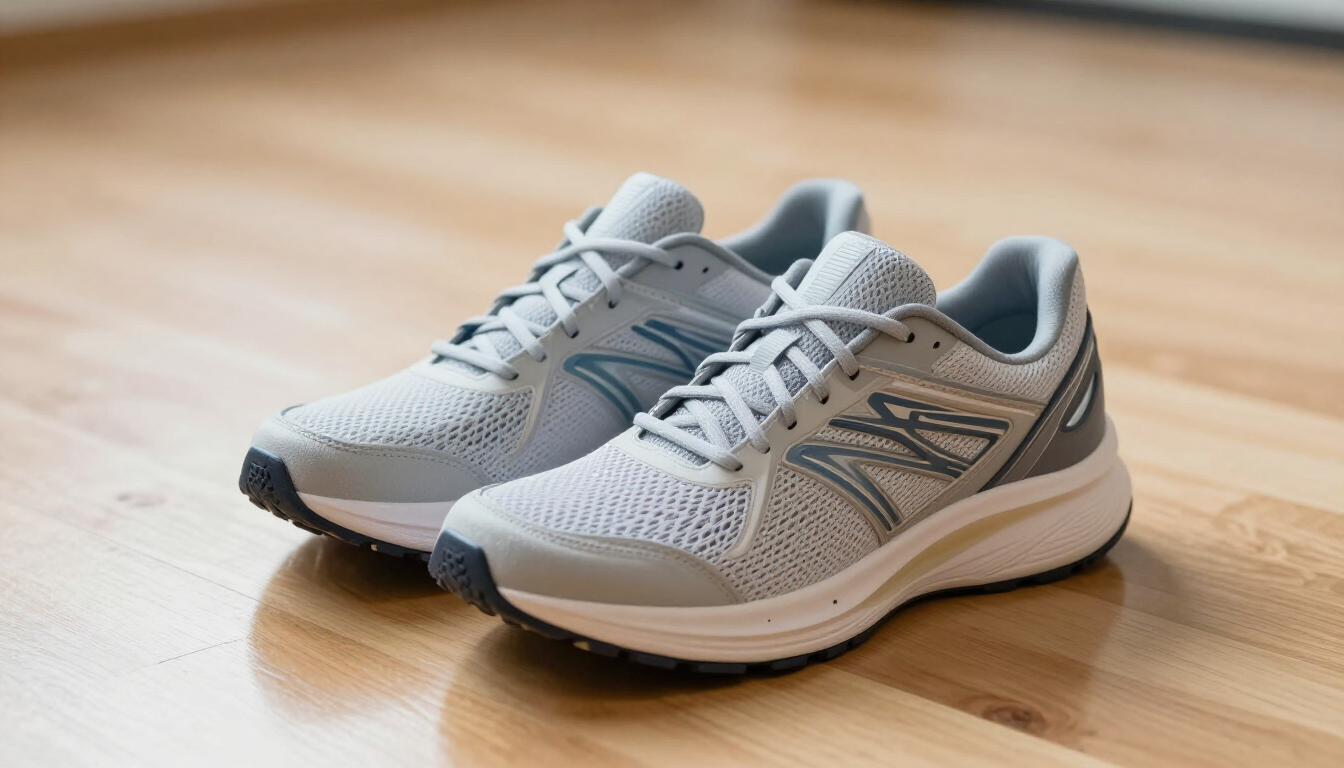
Running Shoes with Orthotics

The Process: What to Expect at Your Appointment

Getting custom orthotics at Fredericksburg Foot & Ankle Center is a streamlined and high-tech process. It begins with a detailed biomechanical assessment where one of our doctors, such as Dr. Mark Scripps or Dr. Andy Roussel , examines your stance, your walk, and the range of motion in your joints. We don't just look at your feet; we look at how your entire body moves.

Next, we use state-of-the-art digital scanning to create a precise 3D image of your feet. This is far more accurate (and much cleaner) than the old-fashioned plaster casts. The digital file is then sent to a specialized laboratory where your orthotics are fabricated using the specific materials and modifications requested by your podiatrist.

Once the orthotics arrive back at our office, we bring you in for a fitting. We ensure they fit comfortably in your shoes and that you understand how to break them in. It usually takes a week or two for your muscles to adjust to the new alignment, but once they do, most patients find they never want to walk without them again. This personalized care is a cornerstone of our About page philosophy—treating the patient, not just the symptom.

Conclusion: Investing in Your Long-Term Mobility

Custom foot orthotics are an investment in your long-term health and mobility. While the upfront cost is higher than a store-bought insert, the benefits of pain relief, injury prevention, and corrected biomechanics provide value that lasts for years. By addressing the root cause of your discomfort, these personalized medical devices allow you to remain active, productive, and pain-free.

Key Takeaways:

  • Total Body Alignment: Orthotics fix the foundation to relieve pain in the feet, knees, and back.
  • Medical Precision: They are custom-built using 3D scans to treat specific medical conditions.
  • Long-Lasting Durability: High-quality materials ensure they outlast generic inserts by years.
  • Versatility: Suitable for everyone from elite athletes to those needing diabetic foot protection.
  • Proactive Health: Use them to prevent future injuries and maintain an active lifestyle as you age.

If you're ready to experience the difference that custom support can make, reach out to our team in Fredericksburg today. We are dedicated to helping you put your best foot forward.

Summer footwear on a wooden boardwalk near the ocean.
June 18, 2026
Learn essential summer foot safety tips to prevent injuries. Discover expert podiatry advice on footwear, beach protection, and warm weather care in 2026.

By VIV Builder April 9, 2026
Stay active and pain-free this Foot Health Awareness Month. Learn about heel pain, orthotics, diabetic foot care, and sports injury treatment options.
By VIV Builder April 1, 2026
Achilles tendonitis can develop gradually, causing heel pain and stiffness that worsens over time. Learn the warning signs and how a podiatrist can help you get back on your feet.
By VIV Builder March 5, 2026
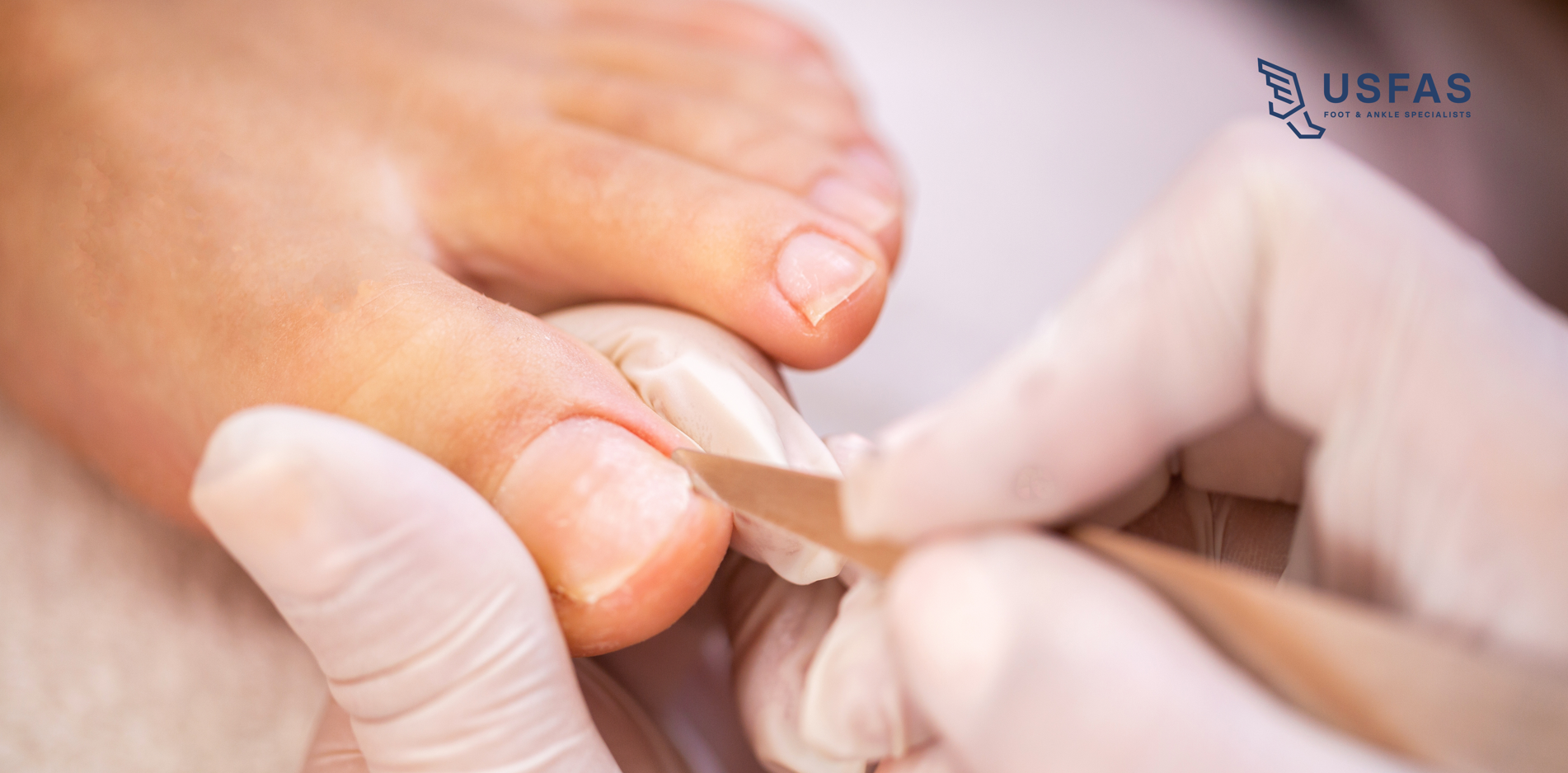
Ingrown toenails are a common foot condition that can start as a minor irritation and quickly become painful. Learn more about how we can help with ingrown toenails.
By VIV Builder February 19, 2026
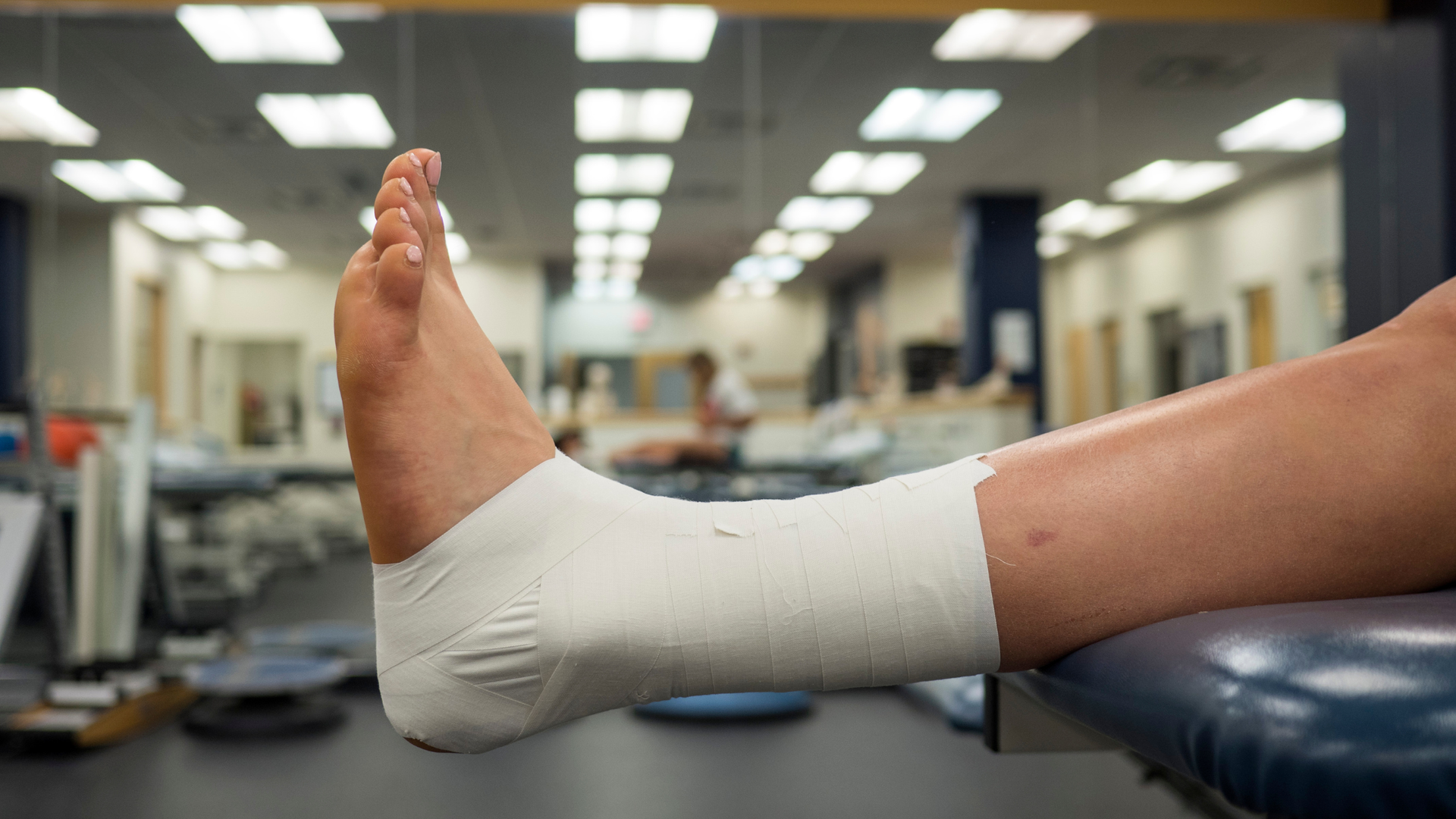
Ankle sprains are one of the most common foot and ankle injuries, yet they're often brushed off as no big deal. The truth is, even a mild sprain deserves proper care.
By VIV Builder February 5, 2026
Show Your Feet Some Love This February
By VIV Builder January 23, 2026
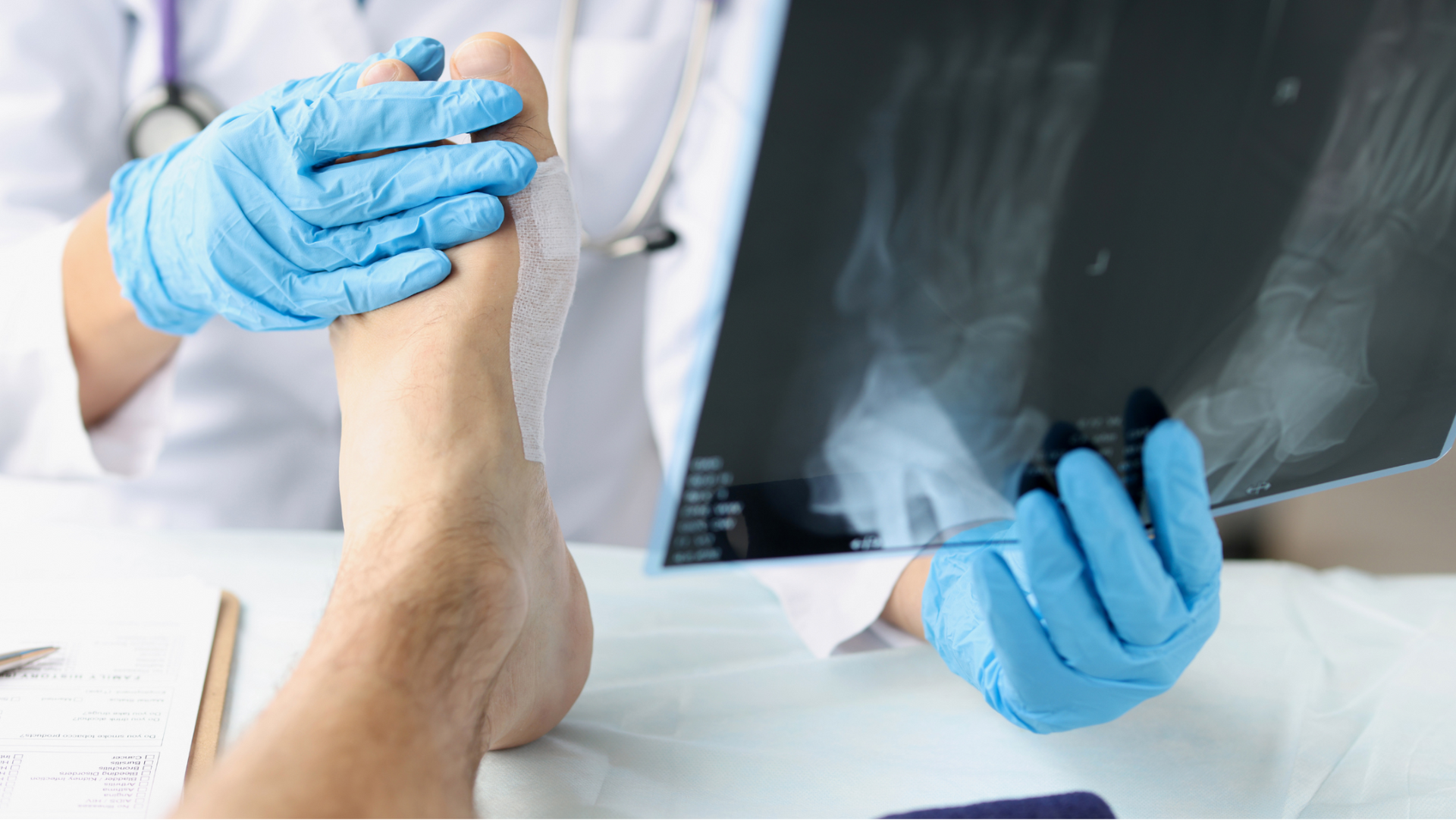
Understanding Podiatry Many people experience foot or ankle pain at some point, but they are not always sure where to turn for care. A podiatrist is a medical doctor who specializes in diagnosing and treating conditions of the foot and ankle. Their goal is to help patients move comfortably, stay active, and avoid pain that interferes with daily life. Podiatrists receive specialized medical training focused entirely on the feet and ankles. Because these areas support the entire body, even minor issues can have a big impact if left untreated. What Conditions Do Podiatrists Treat? Podiatrists treat a wide range of foot and ankle conditions for patients of all ages. From common concerns like heel pain and ingrown toenails to more complex issues such as sports injuries and diabetic foot conditions, podiatrists are trained to handle both routine and advanced care. They also address structural problems, skin and nail conditions, and injuries that affect mobility. By identifying the root cause of foot or ankle pain, podiatrists help patients find long-term relief rather than temporary fixes. When Should You See a Podiatrist? Foot pain is not something you have to live with. If you notice ongoing discomfort, changes in how you walk, or issues with your toenails or skin, it may be time to see a podiatrist. Early care can help prevent small problems from becoming more serious and can reduce recovery time. Patients with diabetes should also see a podiatrist regularly to help prevent complications and maintain foot health. What to Expect During Your Visit During a podiatry appointment, your provider will take time to understand your symptoms and lifestyle. They will examine your feet and ankles and may recommend imaging or other tests if needed. Based on their findings, they will create a personalized treatment plan tailored to your needs. Many podiatry treatments can be done in the office, allowing patients to return to normal activities quickly. Why Foot Health Matters Your feet play a major role in your overall health. Ongoing foot or ankle pain can lead to posture changes and strain on the knees, hips, and lower back. Proper foot care helps keep your entire body moving the way it should. Seeing a podiatrist is an important step in maintaining mobility and preventing future problems. Take the Next Step Toward Better Foot Health If foot or ankle pain is affecting your daily life, a podiatrist can help. With the right care and treatment, many conditions can be managed or resolved. Scheduling an appointment with a podiatrist is a simple step that can make a lasting difference in your comfort and mobility.
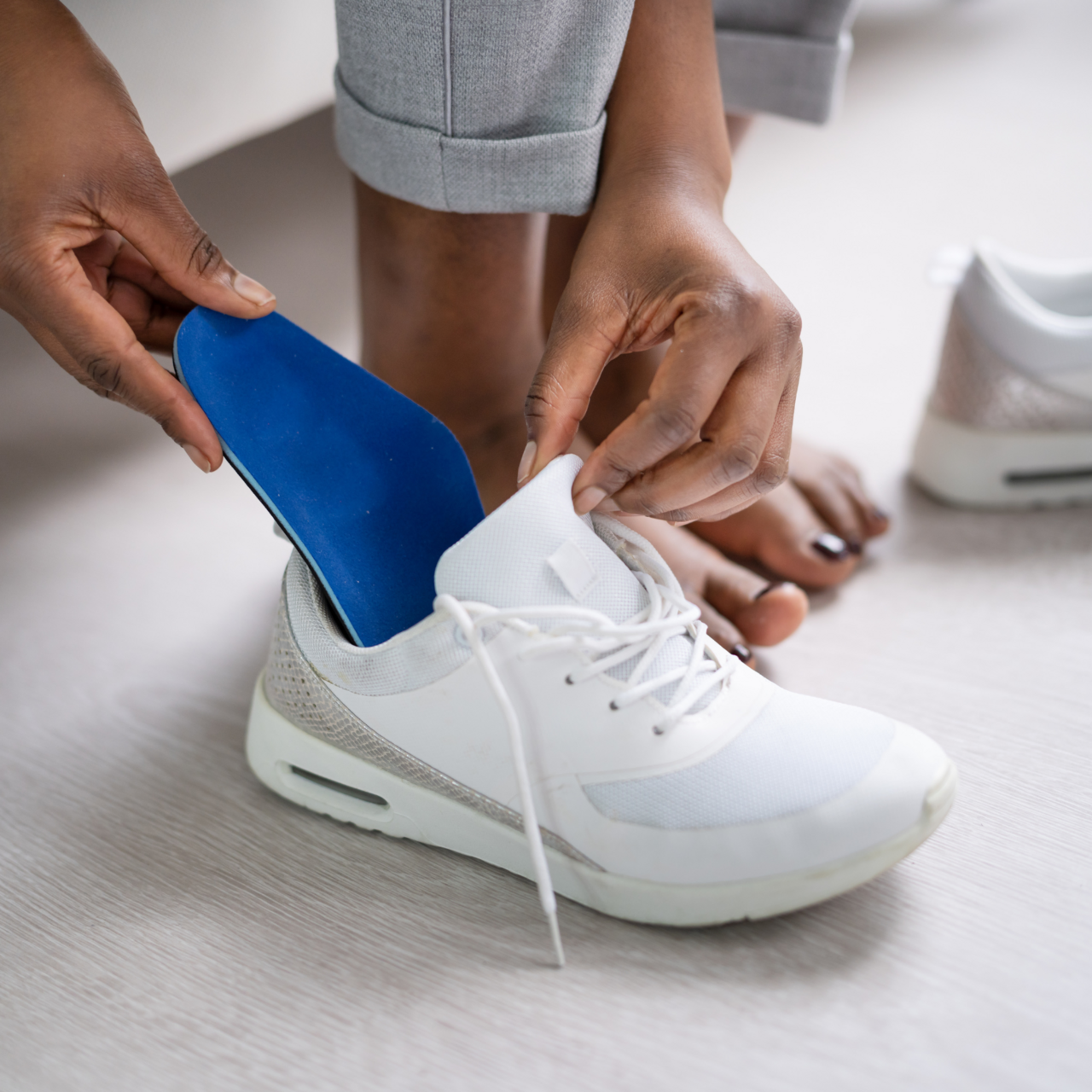
Person inserts blue orthotic into white athletic shoe.
By VIV Builder August 13, 2025
Your feet are the foundation of your entire body — when they’re not properly supported, it can lead to pain not just in your feet, but in your ankles, knees, hips, and back, too. That’s where custom orthotics come in!
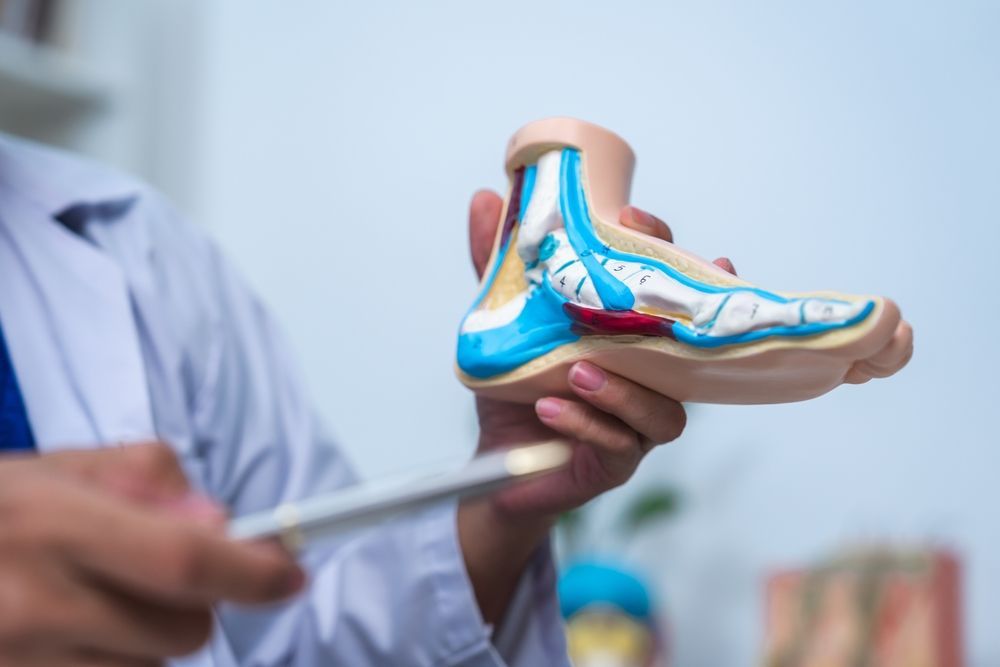
Doctor holding a foot anatomy model, pointing with a pen. Blue, white, and skin-toned colors.
By VIV Builder July 17, 2025
Your feet are the foundation of your entire body — when they’re not properly supported, it can lead to pain not just in your feet, but in your ankles, knees, hips, and back, too. That’s where custom orthotics come in!  What Are Custom Orthotics? Custom orthotics are medical-grade shoe inserts that are specifically designed for your unique feet, gait, and needs. Unlike over-the-counter insoles, custom orthotics are crafted based on a detailed assessment by your podiatrist, ensuring the perfect fit and support for your lifestyle. Who Can Benefit from Custom Orthotics? Custom orthotics can help people with: âś… Flat feet or high arches âś… Plantar fasciitis or heel pain âś… Bunions or hammertoes âś… Arthritis âś… Sports injuries âś… Foot, ankle, knee, hip, or lower back pain caused by poor alignment How Do They Work? Custom orthotics work by redistributing pressure and correcting misalignments, which helps your feet function properly and comfortably. They can also help prevent future problems by providing the support you need with every step. Ready to Feel the Difference? If you’re experiencing foot or lower body pain, custom orthotics may be the solution you’ve been looking for. Schedule an appointment today and let our foot specialists help you step into lasting comfort and support!
A woman is walking down a path in a park.
By VIV Builder April 10, 2025
Your feet are the foundation of your body, supporting you with every step you take. We understand that maintaining foot health is crucial to your overall well-being and mobility. In honor of April being National Foot Health Awareness Month, this blog explores why foot health should never be overlooked and provides tips for keeping your feet healthy. Why Foot Health Matters The human foot is a complex structure of 26 bones, 33 joints, and over 100 muscles, tendons, and ligaments. This intricate design allows for movements such as walking, running, and jumping. However, it also means that many things can go wrong if not cared for properly. Poor foot health can lead to a range of issues from simple aches and pains to more severe conditions like plantar fasciitis or diabetic neuropathy. Moreover, problems in your feet can affect other parts of your body, including your knees, hips, and back. Tips for Maintaining Healthy Feet Regular Check-ups: Just like regular dentist visits, regular check-ups with a podiatrist, especially during National Foot Health Awareness Month, can help catch foot problems before they become serious. Proper Footwear: Wear shoes that fit well and provide good support. Different activities require different types of shoes – what you wear for running is not suitable for a day at work. Foot Hygiene: Wash your feet daily, dry them thoroughly to prevent infections, and change socks daily. Stay Active: Regular exercise helps keep your feet and body healthy. Remember to stretch your feet and ankles before and after workouts. Manage Your Weight: Extra weight puts additional pressure on your feet, increasing the risk of foot disorders. Common Foot Conditions and Treatments Plantar Fasciitis: Often felt as heel pain, treated with exercises, proper footwear, and sometimes orthotics. Bunions: Misaligned big toe joints that can become swollen and tender. Treatment options include wearing comfortable shoes, pads, and in severe cases, surgery. Diabetic Foot Care: People with diabetes need to take extra care of their feet as poor blood circulation and nerve damage can lead to serious foot problems. We believe in a proactive approach to foot health. Whether you're an athlete, a busy professional, or enjoying retirement, taking good care of your feet is a step toward a healthier life. Celebrate National Foot Health Awareness Month with us and schedule an appointment today to learn how you can better care for your feet and enhance your overall wellness.

Show More