5 Ways to Prevent Thanksgiving Foot Pain

November 9, 2026

Thanksgiving foot pain often comes from long periods of standing, walking, travel, and wearing unsupportive shoes. You can stay more comfortable by choosing supportive footwear, taking movement breaks, elevating your feet, managing existing conditions, and seeking podiatric care when pain persists or limits normal activity.

Thanksgiving foot pain prevention with comfortable shoes

Why does Thanksgiving cause foot and ankle pain?

Thanksgiving can be enjoyable, but the holiday often creates a perfect recipe for sore feet and ankles. Preparing food, cleaning, shopping, traveling, and hosting guests may keep you standing or walking for hours longer than usual.

Common contributors include:

  • Standing on hard kitchen or dining-room floors
  • Wearing dress shoes, slippers, or boots without enough support
  • Walking more than usual while shopping or visiting family
  • Sitting in a car or airplane for extended periods
  • Flare-ups of heel pain, arthritis, tendon problems, or old injuries

If you already experience heel pain or plantar fasciitis , holiday activity may make your symptoms more noticeable. Likewise, people with diabetes should take extra precautions and follow their diabetic foot care plan.

1. Choose supportive shoes before the holiday

The easiest way to reduce Thanksgiving foot pain is to avoid making your feet work harder than necessary. Choose shoes with cushioning, a stable sole, and enough room for your toes to move naturally.

For cooking, shopping, or visiting family, consider:

  • Athletic shoes with good arch and heel support
  • Shoes that fit comfortably without pinching or rubbing
  • A firm, supportive sole instead of thin, flexible material
  • Moisture-wicking socks that reduce friction
  • Orthotics if they have been recommended for your feet

Avoid spending the day barefoot on hard floors. Soft house shoes may feel comfortable initially but often do not provide enough structure for hours of standing. If you regularly rely on custom orthotics , wear them in the shoes you plan to use throughout the day.

Do not wait until Thanksgiving morning to test a new pair of shoes. Wear them for short periods beforehand to make sure they do not cause blisters, pressure points, or ankle instability.

2. How can movement breaks prevent holiday foot pain?

Short, frequent breaks are often more helpful than waiting until your feet hurt badly. If you are preparing a meal, alternate tasks between sitting and standing. Set a reminder to change position every 30 to 60 minutes.

During a break, try to:

  1. Walk slowly for a few minutes to avoid stiffness.
  2. Gently move your ankles up, down, and in circles.
  3. Stretch your calves against a wall without forcing the motion.
  4. Sit down and elevate your feet when possible.
  5. Drink water, especially if you are traveling or spending time outdoors.

Movement also matters during travel. On long drives, stop periodically to walk and stretch. On an airplane, move your ankles and stand when it is safe to do so. These simple habits can reduce stiffness and help you notice symptoms before they become severe.

Person stretching calves beside a kitchen during Thanksgiving preparation

3. Manage existing conditions before symptoms increase

Holiday activity should be adjusted to your current foot and ankle health. A history of ankle sprains and instability , arthritis, tendon pain, bunions, or nerve symptoms can make long periods on your feet more difficult.

Before the holiday, review what usually helps you. That might include prescribed exercises, supportive footwear, icing after activity, or an activity limit recommended by your podiatrist. Do not increase walking, exercise, or standing time dramatically just because you feel good on one morning.

Pay attention to early warning signs:

  • Pain that worsens as you continue walking
  • New swelling around the foot or ankle
  • Numbness, tingling, or burning
  • A feeling that the ankle may give way
  • Redness, warmth, or a sore spot caused by shoe pressure

If you notice these symptoms, reduce the activity that triggers them. Continuing to push through significant pain can prolong recovery and turn a manageable irritation into a more serious problem.

Can ice and elevation help after a busy day?

Yes. Elevating your feet after several hours of standing may help reduce temporary swelling and heaviness. Rest with your feet raised above heart level for about 15 to 20 minutes, if comfortable.

For a recent minor strain or activity-related soreness, a cold pack may provide short-term relief. Wrap it in a thin towel and use it for about 15 to 20 minutes. Never place ice directly on the skin, and use extra caution if you have reduced sensation or circulation problems.

Relief strategies should support—not replace—evaluation when symptoms are persistent. Heat may feel relaxing for general muscle tightness, but it is not always appropriate for new swelling or an acute injury. When in doubt, ask a qualified healthcare professional what is safest for your condition.

4. Protect your feet during cooking and hosting

Kitchen work frequently contributes to Thanksgiving foot pain because it combines prolonged standing, repeated turning, and hard surfaces. Make the space easier on your feet before guests arrive.

Helpful adjustments include:

  • Use an anti-fatigue mat where you stand most often.
  • Keep frequently used ingredients within easy reach.
  • Sit for food preparation tasks when possible.
  • Ask family members to share cooking, serving, and cleanup.
  • Keep floors dry and walkways clear to reduce fall risk.

Avoid pivoting quickly while carrying hot dishes or heavy pans. Turn your entire body instead of twisting through your ankles. If you have a history of foot and ankle fractures or trauma , take extra care with crowded rooms, stairs, and unfamiliar surfaces.

Hosting does not mean you must handle every task yourself. Delegating can protect your feet while giving guests a meaningful way to participate.

Supportive walking shoes and a Thanksgiving meal preparation setup

5. When should you see a podiatrist for foot pain?

Contact a podiatrist if pain is severe, follows an injury, or does not improve with rest and basic care. You should also arrange an evaluation if symptoms repeatedly return during normal activities or interfere with sleep, walking, work, or family plans.

Seek prompt medical attention for:

  • Inability to put weight on the foot
  • A visible deformity or suspected fracture
  • Rapidly increasing swelling or bruising
  • An open wound, spreading redness, or drainage
  • New discoloration or loss of sensation
  • Foot symptoms related to diabetes

A podiatrist can identify whether your discomfort is related to an irritated tendon, plantar fasciitis, arthritis, a sprain, a stress injury, or another condition. At Fredericksburg Foot & Ankle Center, our board-certified podiatrists create treatment plans based on your symptoms, activity level, and long-term goals. Learn more about our services or contact our office to schedule an appointment.

Thanksgiving foot pain: quick checklist

Before and during the holiday, remember to:

  • Wear supportive, comfortable shoes rather than untested footwear.
  • Take regular movement and sitting breaks.
  • Elevate your feet after extended standing or walking.
  • Modify activities when pain, swelling, or instability begins.
  • Schedule professional care for persistent or concerning symptoms.

Frequently asked questions

Is it normal for feet to hurt after standing all day?

Mild, temporary soreness can occur after unusual activity, especially on hard surfaces. However, recurring pain, significant swelling, numbness, or symptoms that affect walking should not be dismissed as normal. These signs may point to an underlying foot or ankle condition that deserves evaluation.

What shoes are best for a Thanksgiving gathering?

Choose shoes that fit well, have cushioning, provide arch and heel support, and remain stable when you walk. For an indoor gathering, supportive athletic shoes may be safer than thin slippers or unsupportive dress shoes. If you need formal footwear, test it in advance and bring a comfortable alternative.

How can people with diabetes prepare their feet for Thanksgiving?

Follow your established diabetic foot care routine, inspect your feet for blisters or irritated areas, wear properly fitting shoes, and avoid walking barefoot. Contact your healthcare provider promptly about wounds, redness, swelling, drainage, or any change in sensation.

Enjoy the holiday comfortably

Preventing Thanksgiving foot pain starts with small decisions: wear supportive shoes, break up long periods of standing, and respond to symptoms early. These steps are especially useful if you have a history of heel pain, ankle problems, arthritis, diabetes, or another condition that affects mobility. If pain continues, worsens, or makes it difficult to walk, do not wait for the holiday season to pass. Evaluate your symptoms and schedule podiatric care so you can protect your mobility and return to the activities you enjoy with greater confidence.

Podiatrist analyzing a 3D foot scan for custom orthotics
July 24, 2026
Discover the top benefits of custom foot orthotics. Learn how personalized inserts from Fredericksburg Foot & Ankle Center relieve pain and improve mobility.
Summer footwear on a wooden boardwalk near the ocean.
June 18, 2026
Learn essential summer foot safety tips to prevent injuries. Discover expert podiatry advice on footwear, beach protection, and warm weather care in 2026.

By VIV Builder • April 9, 2026
Stay active and pain-free this Foot Health Awareness Month. Learn about heel pain, orthotics, diabetic foot care, and sports injury treatment options.
By VIV Builder • April 1, 2026
Achilles tendonitis can develop gradually, causing heel pain and stiffness that worsens over time. Learn the warning signs and how a podiatrist can help you get back on your feet.
By VIV Builder • March 5, 2026
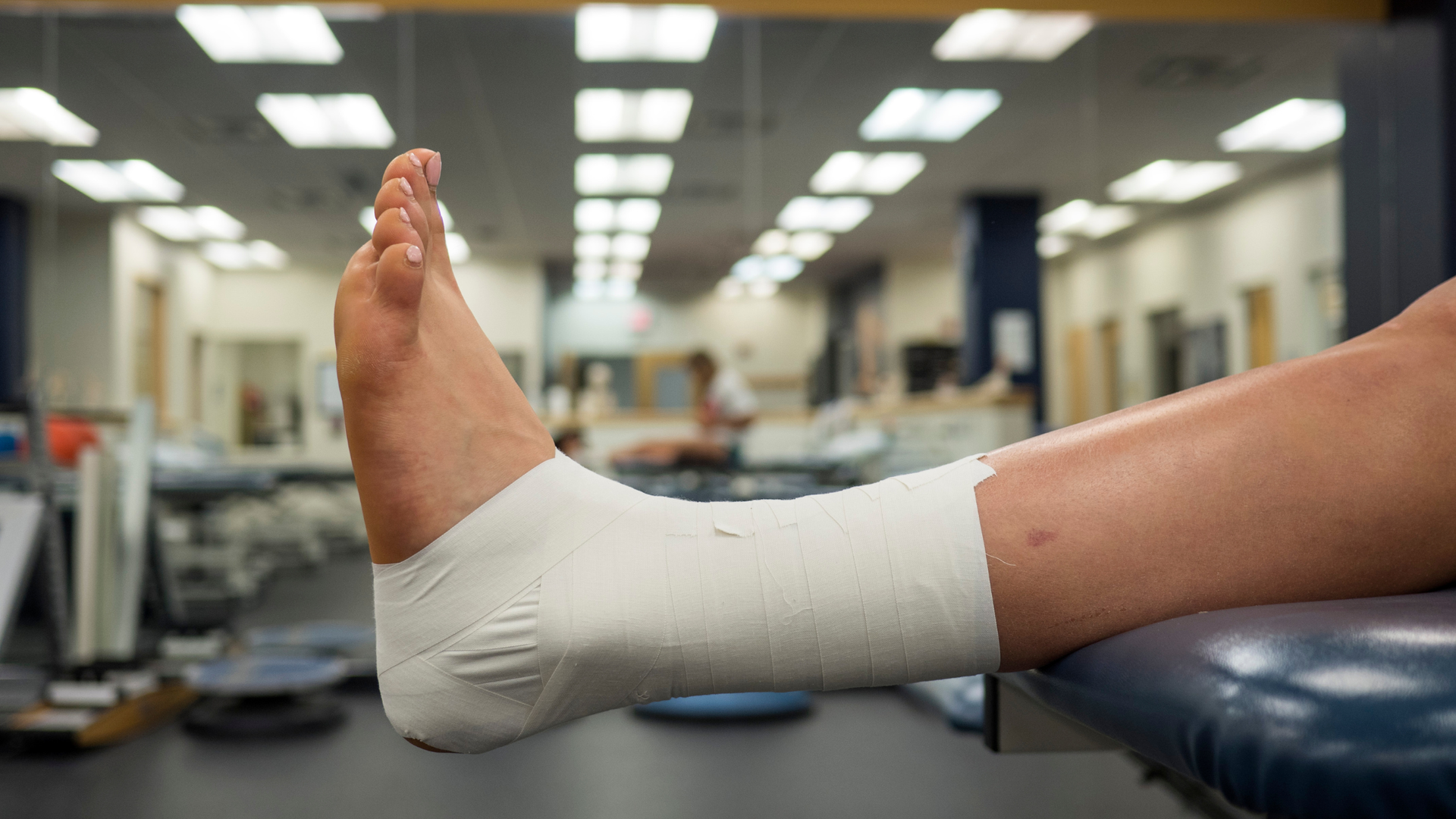
Ingrown toenails are a common foot condition that can start as a minor irritation and quickly become painful. Learn more about how we can help with ingrown toenails.
By VIV Builder • February 19, 2026
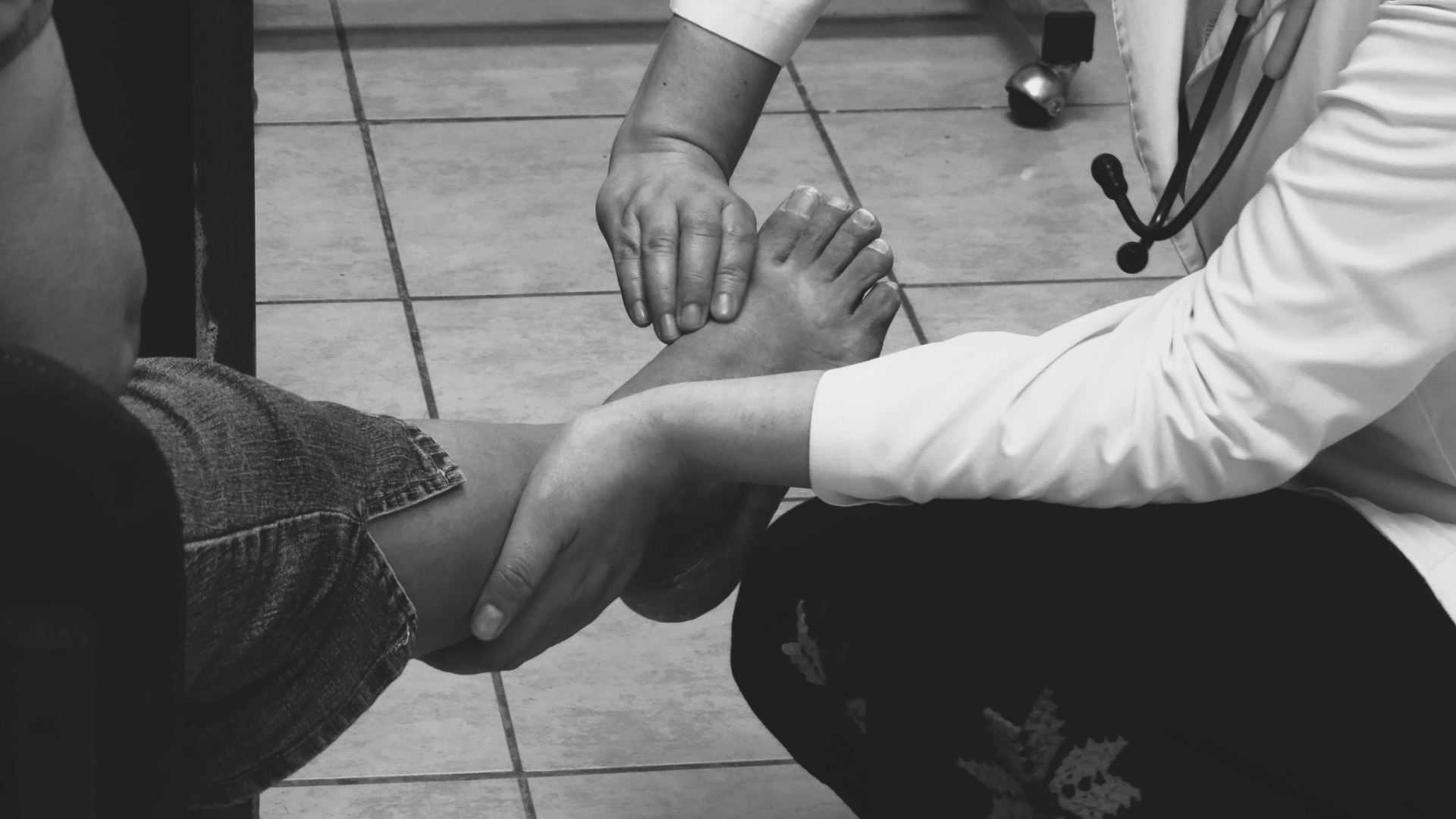
Ankle sprains are one of the most common foot and ankle injuries, yet they're often brushed off as no big deal. The truth is, even a mild sprain deserves proper care.
By VIV Builder • February 5, 2026
Show Your Feet Some Love This February
By VIV Builder • January 23, 2026
Understanding Podiatry Many people experience foot or ankle pain at some point, but they are not always sure where to turn for care. A podiatrist is a medical doctor who specializes in diagnosing and treating conditions of the foot and ankle. Their goal is to help patients move comfortably, stay active, and avoid pain that interferes with daily life. Podiatrists receive specialized medical training focused entirely on the feet and ankles. Because these areas support the entire body, even minor issues can have a big impact if left untreated. What Conditions Do Podiatrists Treat? Podiatrists treat a wide range of foot and ankle conditions for patients of all ages. From common concerns like heel pain and ingrown toenails to more complex issues such as sports injuries and diabetic foot conditions, podiatrists are trained to handle both routine and advanced care. They also address structural problems, skin and nail conditions, and injuries that affect mobility. By identifying the root cause of foot or ankle pain, podiatrists help patients find long-term relief rather than temporary fixes. When Should You See a Podiatrist? Foot pain is not something you have to live with. If you notice ongoing discomfort, changes in how you walk, or issues with your toenails or skin, it may be time to see a podiatrist. Early care can help prevent small problems from becoming more serious and can reduce recovery time. Patients with diabetes should also see a podiatrist regularly to help prevent complications and maintain foot health. What to Expect During Your Visit During a podiatry appointment, your provider will take time to understand your symptoms and lifestyle. They will examine your feet and ankles and may recommend imaging or other tests if needed. Based on their findings, they will create a personalized treatment plan tailored to your needs. Many podiatry treatments can be done in the office, allowing patients to return to normal activities quickly. Why Foot Health Matters Your feet play a major role in your overall health. Ongoing foot or ankle pain can lead to posture changes and strain on the knees, hips, and lower back. Proper foot care helps keep your entire body moving the way it should. Seeing a podiatrist is an important step in maintaining mobility and preventing future problems. Take the Next Step Toward Better Foot Health If foot or ankle pain is affecting your daily life, a podiatrist can help. With the right care and treatment, many conditions can be managed or resolved. Scheduling an appointment with a podiatrist is a simple step that can make a lasting difference in your comfort and mobility.
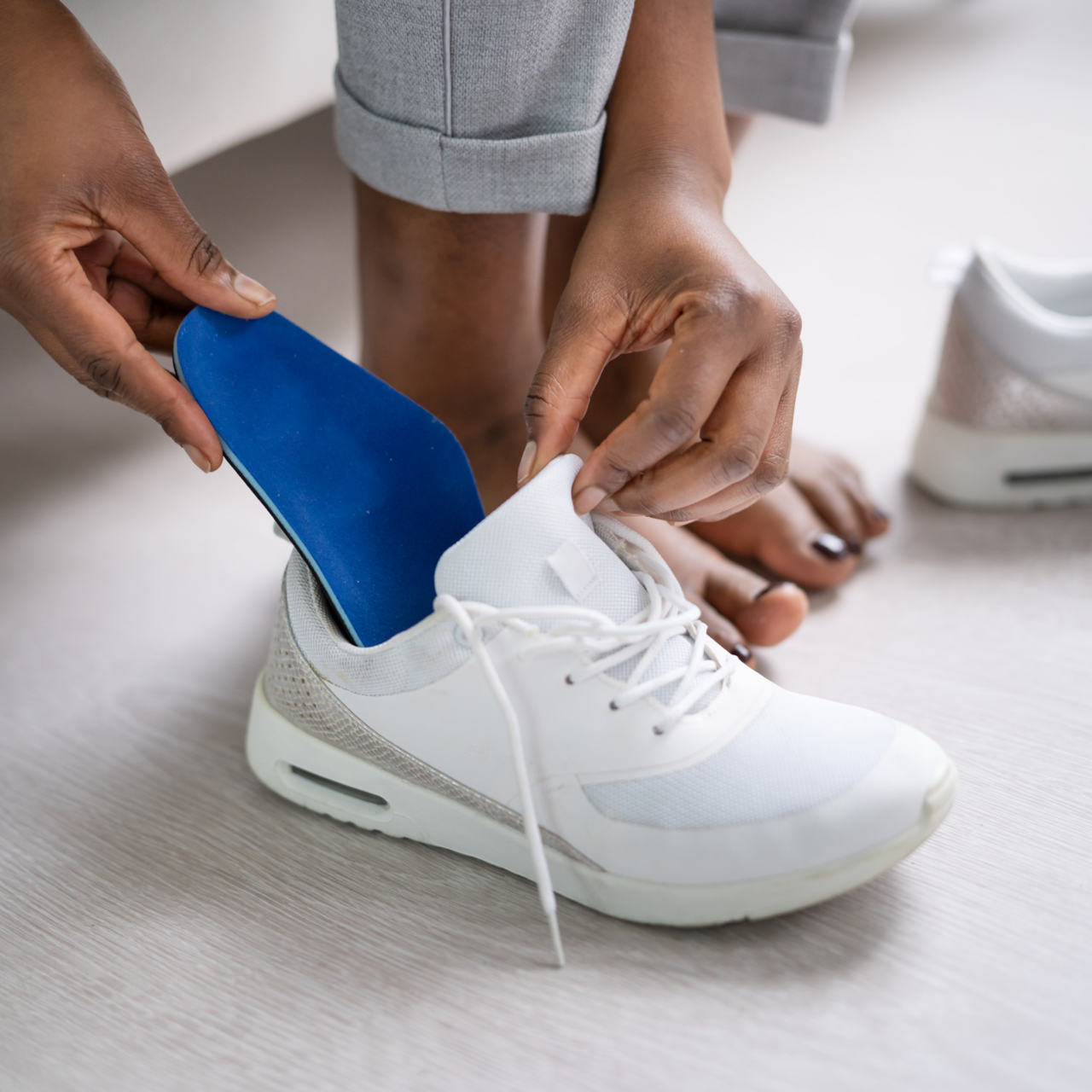
Person inserts blue orthotic into white athletic shoe.
By VIV Builder • August 13, 2025
Your feet are the foundation of your entire body — when they’re not properly supported, it can lead to pain not just in your feet, but in your ankles, knees, hips, and back, too. That’s where custom orthotics come in!
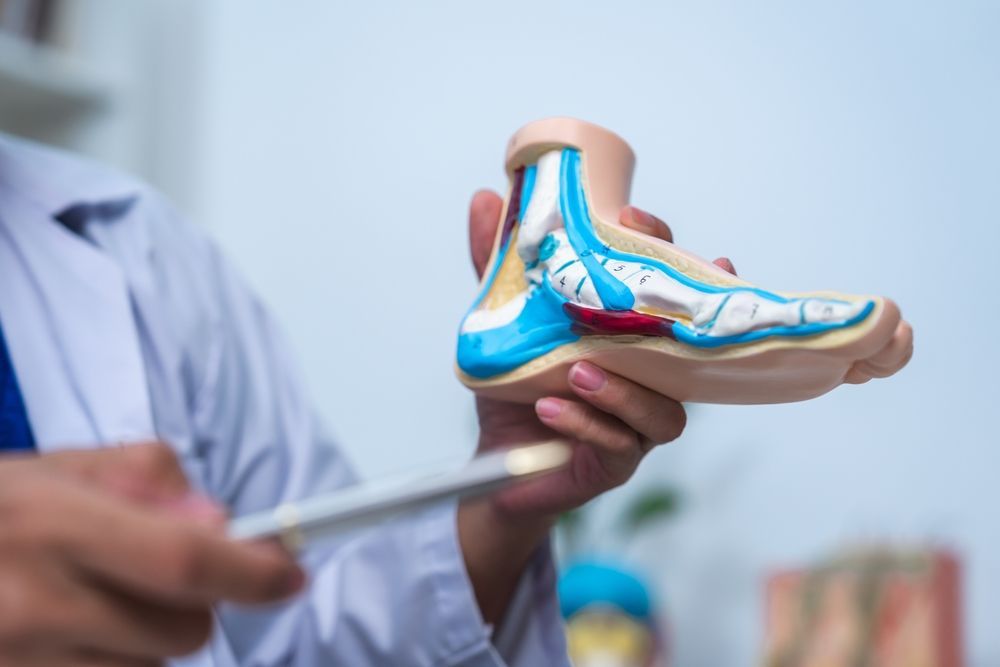
Doctor holding a foot anatomy model, pointing with a pen. Blue, white, and skin-toned colors.
By VIV Builder • July 17, 2025
Your feet are the foundation of your entire body — when they’re not properly supported, it can lead to pain not just in your feet, but in your ankles, knees, hips, and back, too. That’s where custom orthotics come in!  What Are Custom Orthotics? Custom orthotics are medical-grade shoe inserts that are specifically designed for your unique feet, gait, and needs. Unlike over-the-counter insoles, custom orthotics are crafted based on a detailed assessment by your podiatrist, ensuring the perfect fit and support for your lifestyle. Who Can Benefit from Custom Orthotics? Custom orthotics can help people with: âś… Flat feet or high arches âś… Plantar fasciitis or heel pain âś… Bunions or hammertoes âś… Arthritis âś… Sports injuries âś… Foot, ankle, knee, hip, or lower back pain caused by poor alignment How Do They Work? Custom orthotics work by redistributing pressure and correcting misalignments, which helps your feet function properly and comfortably. They can also help prevent future problems by providing the support you need with every step. Ready to Feel the Difference? If you’re experiencing foot or lower body pain, custom orthotics may be the solution you’ve been looking for. Schedule an appointment today and let our foot specialists help you step into lasting comfort and support!
Show More